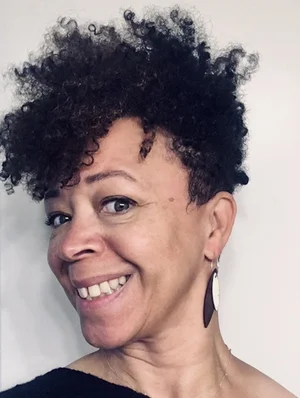
Roots That Cannot Be Erased
A Journey Through Chickasaw Freedmen History. The Chickasaw Freedmen have one of the most complex and overlooked histories in American genealogy. This post traces their story — and what it means to reclaim roots that others tried to erase.
I've walked the land of Ardmore, Oklahoma. Stood where my ancestors lived after they survived the unthinkable. Felt the weight of being somewhere they actually were. The dry crunch of red earth beneath my feet and the scent of wild sage in the air made their presence almost tangible.
But Ardmore isn't the beginning of the story.
Before Ardmore, there was Pontotoc, Mississippi. I haven't been there yet. But I know my people were there—because they were marched out of there.
This is one of my family's stories.
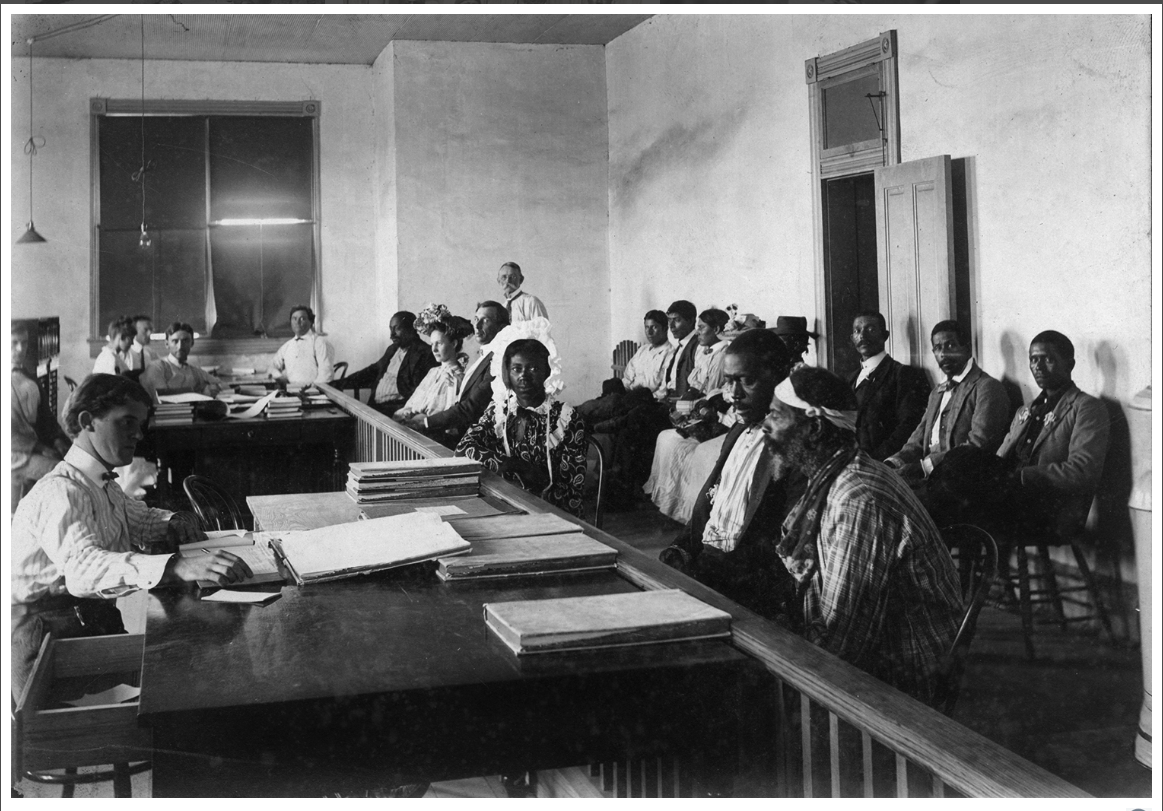
Chickasaw Freedmen filing allotments at Tishomingo, Indian Territory. c.1903-1904. 3759, W.P. Campbell Collection, Oklahoma Historical Society, accessed Feb 4, 2026.
The Chickasaw Freedmen descend from Black people held in bondage by the Chickasaw Nation. Our ancestors were property. They worked Chickasaw land, built Chickasaw wealth, and had no claim to their own lives or labor.
Our family names are Stevenson, Gunn, Gaines—enslaved by the Bynums, the Colberts, the Gunns.
In the 1830s, the U.S. government forced the Chickasaw from Mississippi. Enslaved Black people were marched along the Trail of Tears, too—not as citizens, but as cargo. They survived the journey into Indian Territory.
Enslaver and enslaved. Walking the same trail. Surviving the same removal. Arriving in the same territory. Our histories have never been separate—even when we've been told they are.
After emancipation, they became Freedmen. Freedom did not mean equality. It did not mean belonging. It meant decades of fighting for recognition in a nation whose labor their families had helped sustain.
This is American history. Black history. Chickasaw history. White Americans wrote the policies that made removal and slavery legal. Some married into Native families to gain access to land and property. We are all inheritors of this story—and the truth of it is the only path forward together.
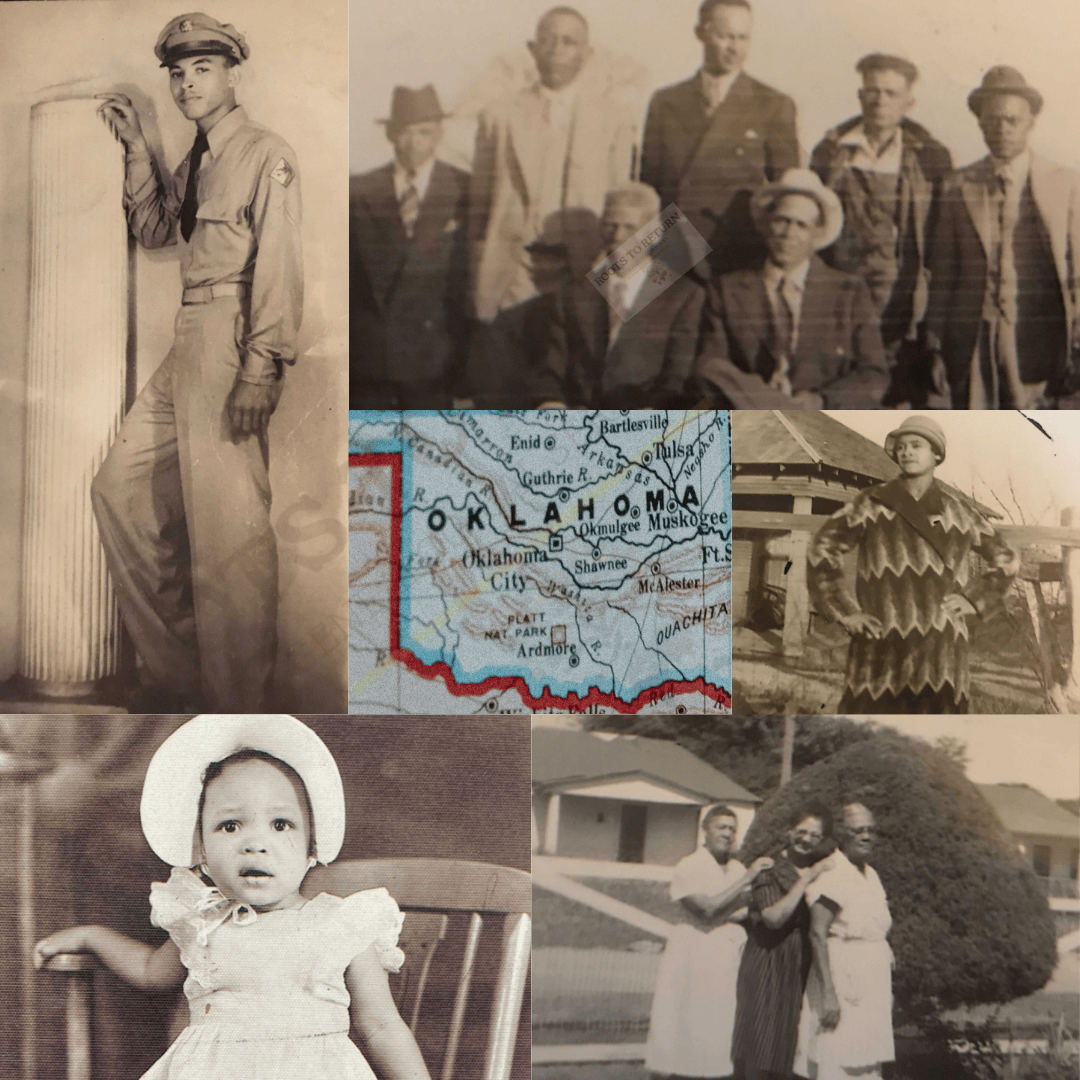
Five generations of Stevensons ~ Gunns, c.1900 - 1943, KMc Collection, RootsToRetun©
Generations later, we are still here. Still reclaiming. Still reconnecting the pieces.
The story of the Freedmen of the Five Tribes: Chickasaw, Choctaw, Cherokee, Creek, and Seminole is one of the most overlooked chapters in American history. However, this history is not just a relic of the past; it continues to shape contemporary identities, policies, and influence social dynamics. The legacy of this history belongs to Black, Native, and white Americans alike. We are all connected to it, whether through survival, through policy, or through inheritance.
This history asks something of all of us. Not guilt. Not blame. But a willingness to see the whole picture—and to carry it together.
It's a history worth knowing. Understanding it makes us all more whole.
Learn more about the Freedmen of the 5 Tribes at the Oklahoma Historical Society.
We honor and celebrate our ancestors daily. Next year, our family will come together to gather once again to honor them, celebrate our connections, and lift our voices out of generational silence.
We exist. We are a legacy beyond erasure. We remember. We are Chickasaw Freedmen.
If you have connections to the Stevenson Chickasaw Freedmen, learn more about the 2027 Stevenson Family Homecoming Reunion here.
Your ancestors are waiting.
Somewhere there's a courthouse with their names. A piece of land they worked. A church where they prayed. The records exist. The places still stand.
I've started walking in my ancestors' footsteps. I'm not done yet.
If you're ready to reclaim your history, reconnect with your roots, and return to the places your ancestors walked, my Roots To Return free guide can help you take the first step. This comprehensive guide supports records research, helps you plan visits to ancestral sites, and fosters connections within your community. With detailed instructions and resources, you'll feel confident and supported as you begin your journey.