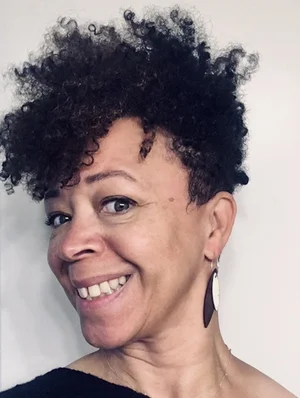
Portobelo's Congo Culture: A Living Thread of Afro-Latin Heritage
What a small Panamanian port taught a genealogist about memory and the ancestors she carries
During my time in Panama this spring, my journey took me to several remarkable places, but none lingered in my mind quite like Portobelo. While Boquete offered its own quiet natural beauty, I found myself thinking most about Bahía de Portobelo in Colón.
This small coastal town is recognized as one of the most culturally significant places in the Caribbean. Once an important trade port in the Americas during the colonial Spanish era, this small coastal town carries centuries of history in its walls, waters, nature, and people. Portobelo has a stillness that asks you to slow down and listen. And when I did, I could feel what was being carried forward. It didn’t just teach me something: it stayed with me.
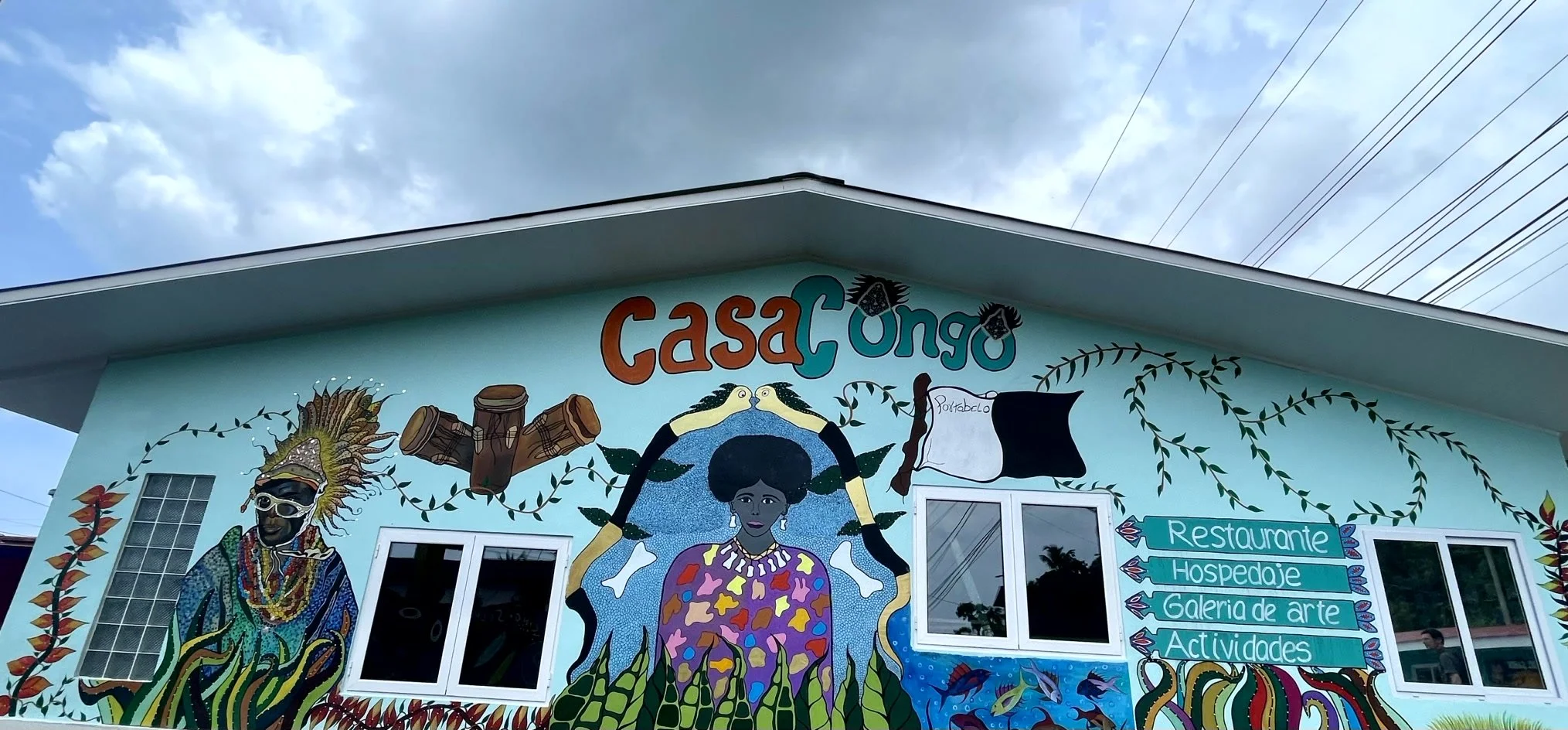
Mural points the way to Casa Congo and Casa De La Cultura Congo in Portobelo, Panama
Congo Culture, Living and Breathing
The first place we visited was Casa De La Cultura Congo, the Congo House of Culture. Here, art, history, and living tradition sit side by side. Portobelo’s culture was forged, as Fundación Bahía de Portobelo (the local nonprofit preserving and sharing this heritage) describes it, from the meeting of Black, Indigenous, and colonial Spanish worlds, a blend of cultures that shows up every Sunday and reaches its fullest expression each October 21st, a day I’ll come back to shortly. The Fundación considers the Congo dance one of the most authentic survivals of the colonial slavery era: even under subjugation, enslaved men and women held onto their sense of purpose and their joy. Watching a Devil or a Congo dance, the Fundación explains, is watching a free spirit reconnect with its ancestors, giving them movement and life again.
The Festival of Diablos y Congos is held every two years, about two weeks after Easter. During this time, history comes fully to life in the streets of Portobelo. In 1980, UNESCO named the port and fortifications of Portobelo a World Heritage Site. More recently, Congo culture itself was declared an Intangible Cultural Heritage of Humanity: a recognition that this isn’t just history behind glass. It’s a culture still being lived, danced, and taught.
The Cimarrones: Freedom Written into the Land
Portobelo is also home to the story of Los Cimarrones — Maroons, enslaved Africans who escaped their Spanish captors and built free communities in the forests surrounding the port. As documented in the exhibit at Casa De La Cultura Congo, the Cimarrones of Panama trace back to the mid-1500s. Many of them joined local Indigenous communities, weaving new families and new lineages out of shared acts of resistance.
Because I spend much of my time helping people trace stories of migration in their family histories, I recognized something familiar here. Standing in a place where resistance occurred is always a powerful experience, and each location carries its own meaning. This history is not just something to read about. It was a real approach to survival, carried out by people whose courage can still be seen in the families living along this coast today.
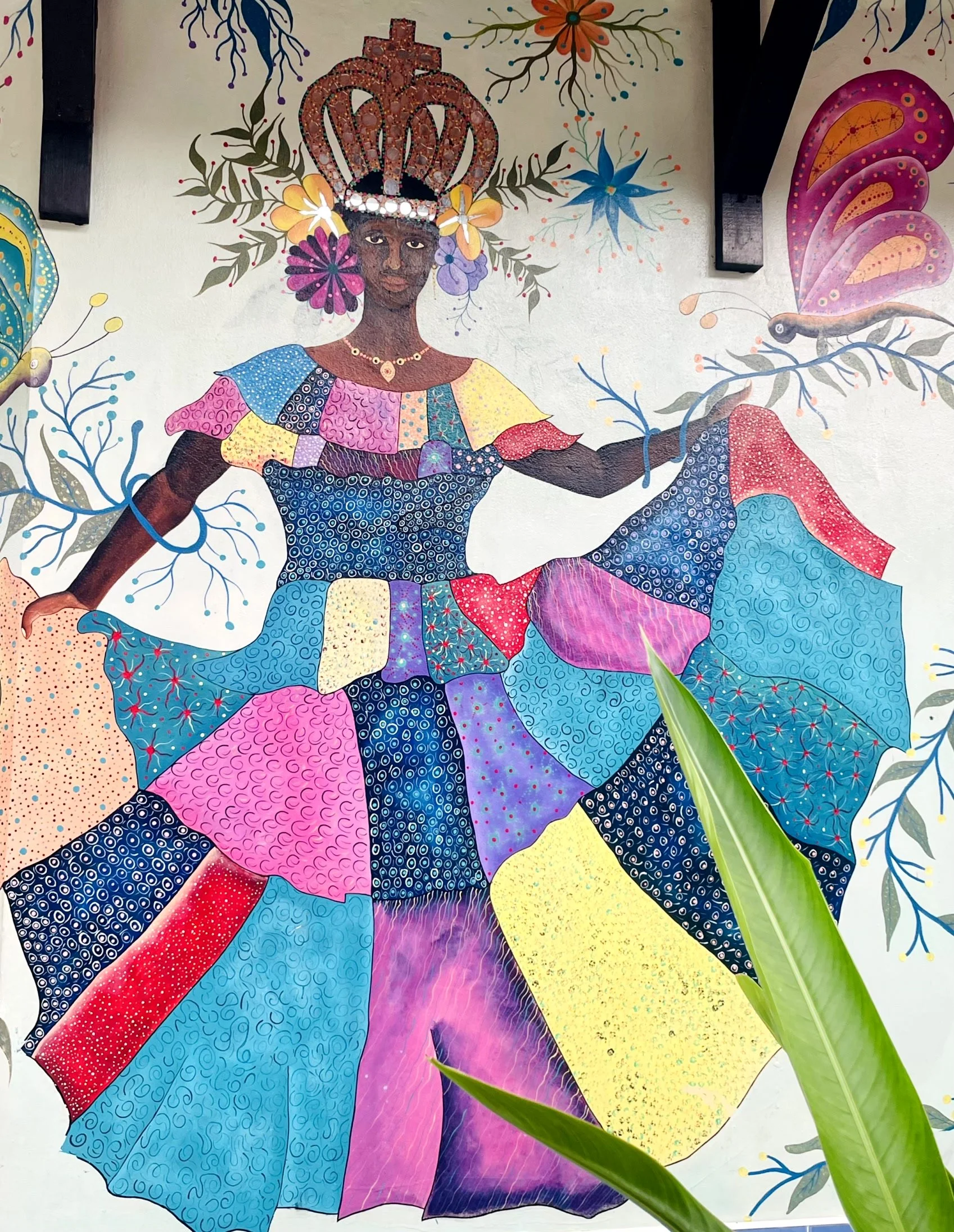
I saw that same spirit captured in this beautiful mural I photographed. It's playful on the surface, but beneath the surface it asks something real about identity, belonging, and who gets to claim a culture as their own
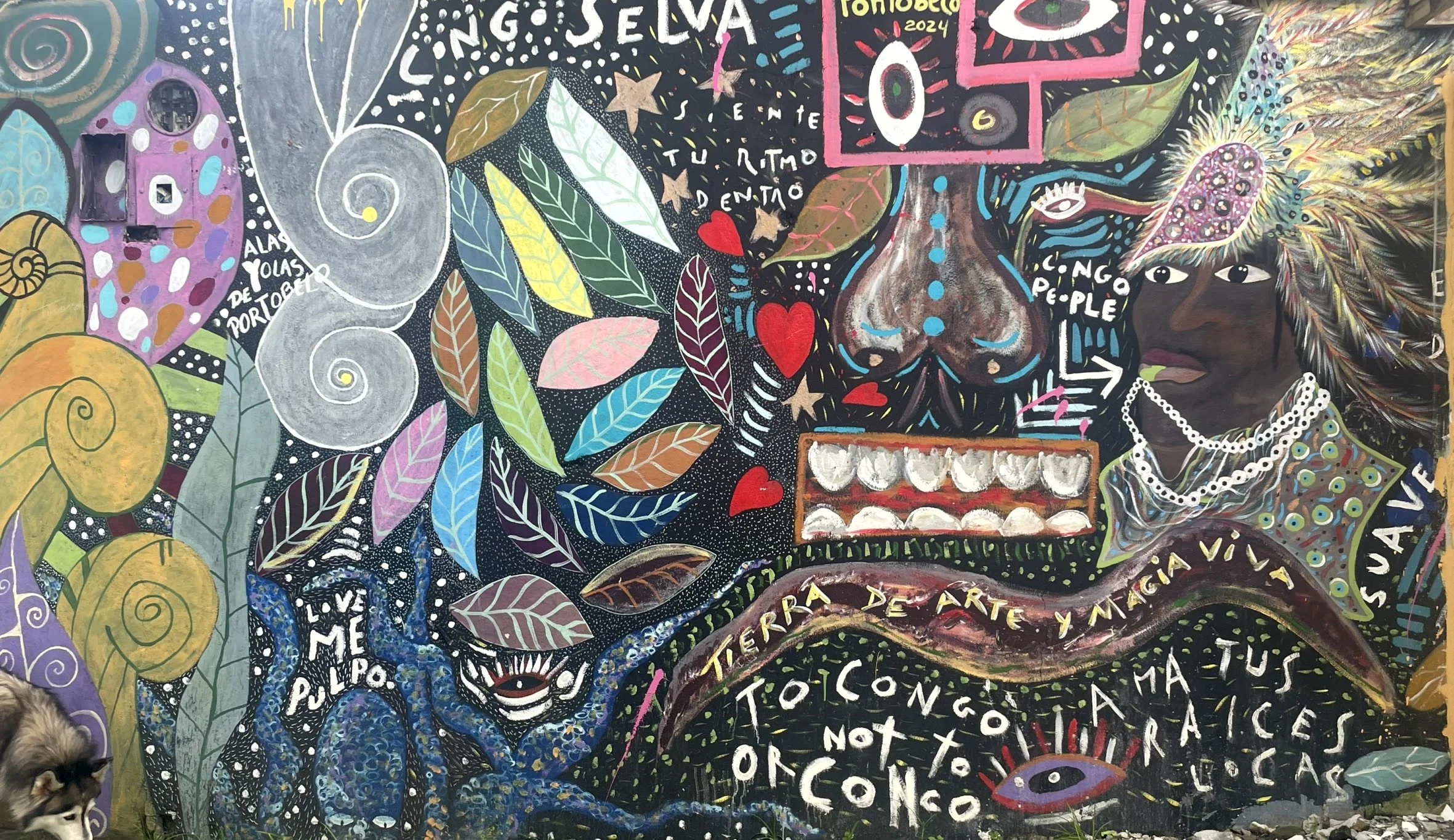
While at Casa De La Cultura Congo, we enjoyed a lunch of fresh fish at Casa Congo (so good!).
After lunch, we walked to the cathedral. Along the way, we could hear music practice drifting over from La Escuelita Del Ritmo, the Little School of Rhythm, sponsored by the Fundación. Listening to those rhythms take shape in real time, passed from teacher to student, felt like standing inside living memory rather than reading about it.
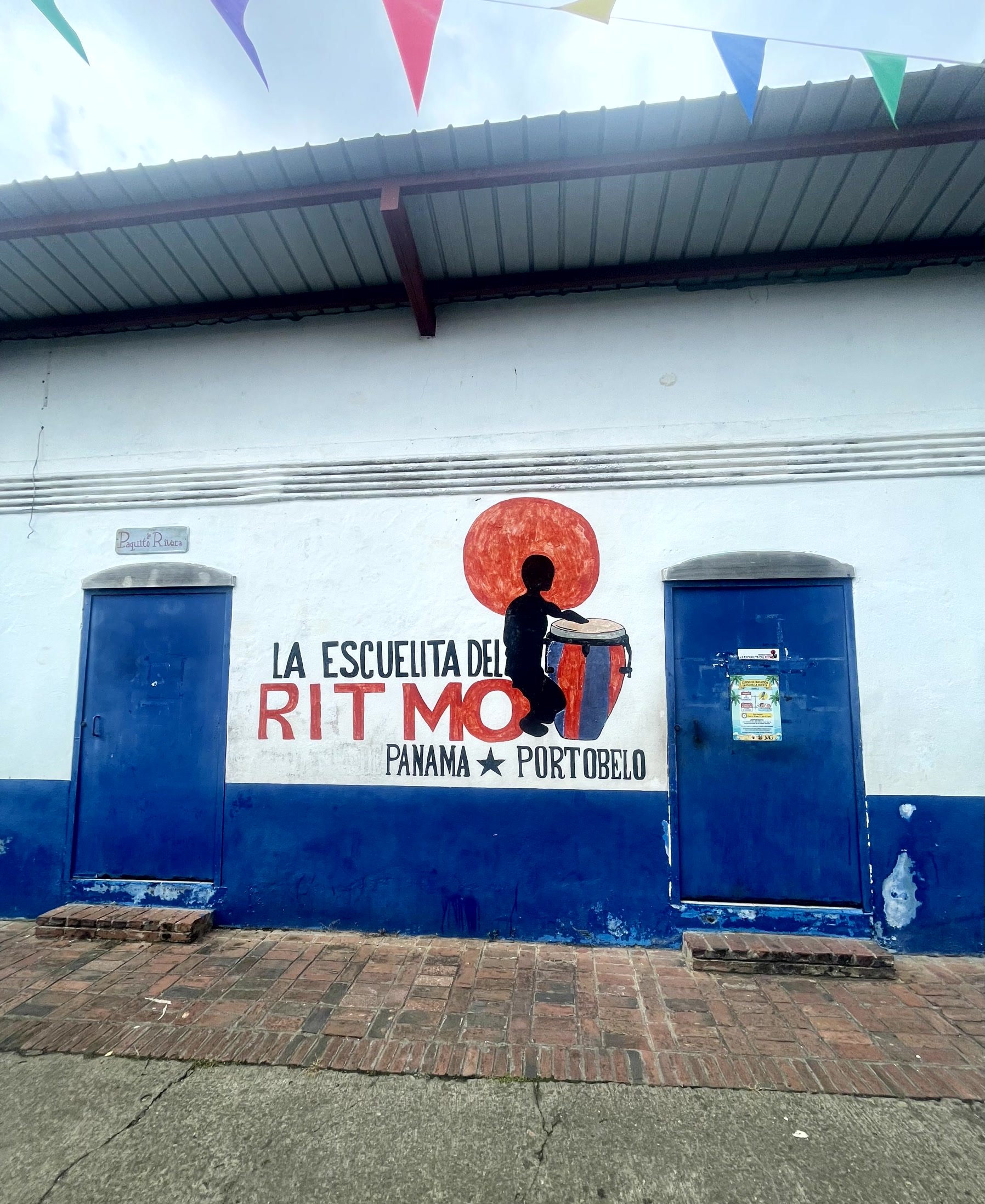
La Escuelita Del Ritmo ~ The Little Rhythm School
The Home of the Black Christ
The last place we visited was La Iglesia de San Felipe, which is being restored. Even though repairs were underway, I was able to see “Black Jesus”. Locally called the Nazareno of Portobelo and Cristo Negro. This cathedral is an important pilgrimage site. The color purple, worn during this veneration, symbolizes the shared endurance and experiences of Afro-descended communities across generations.
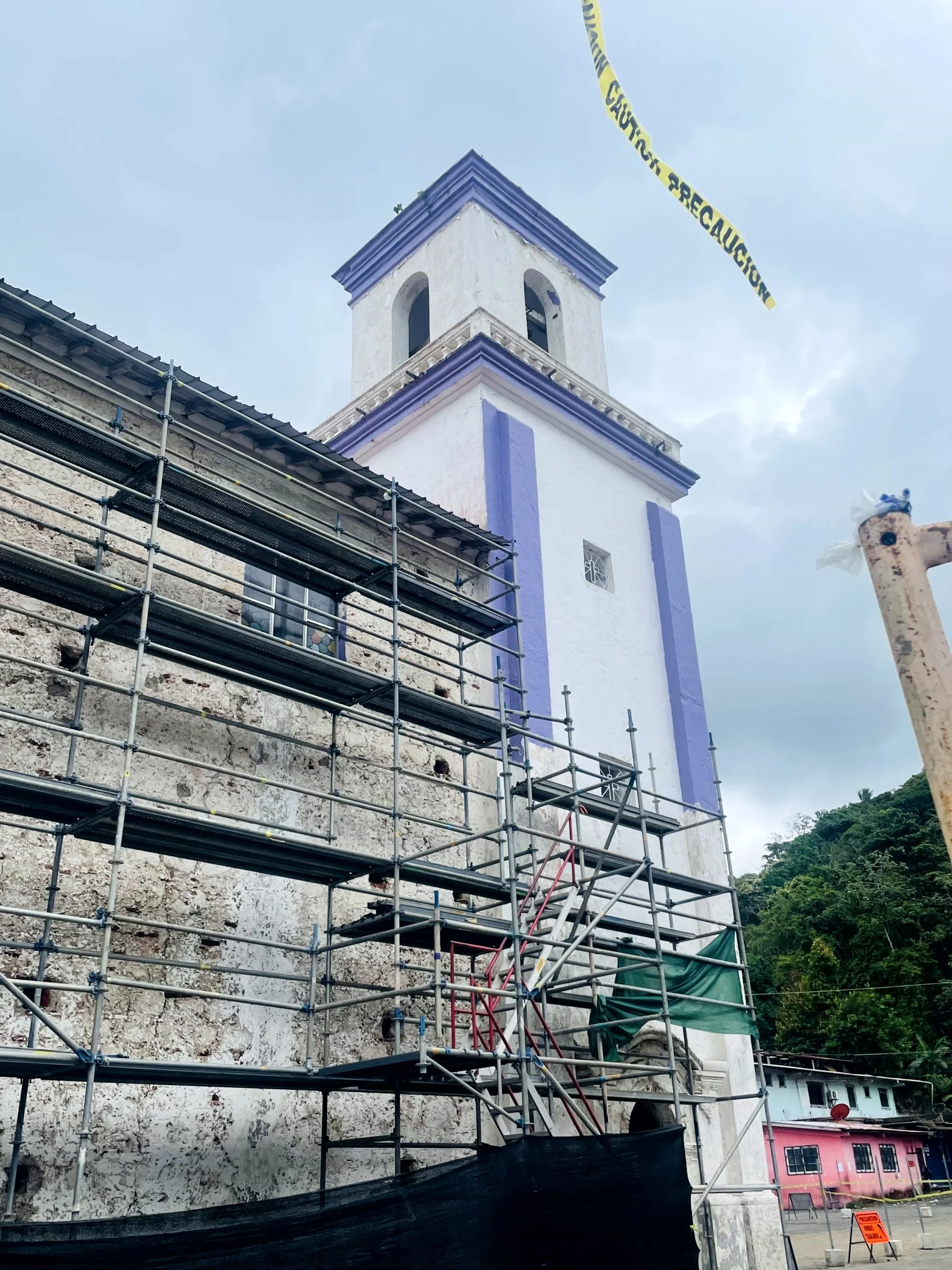
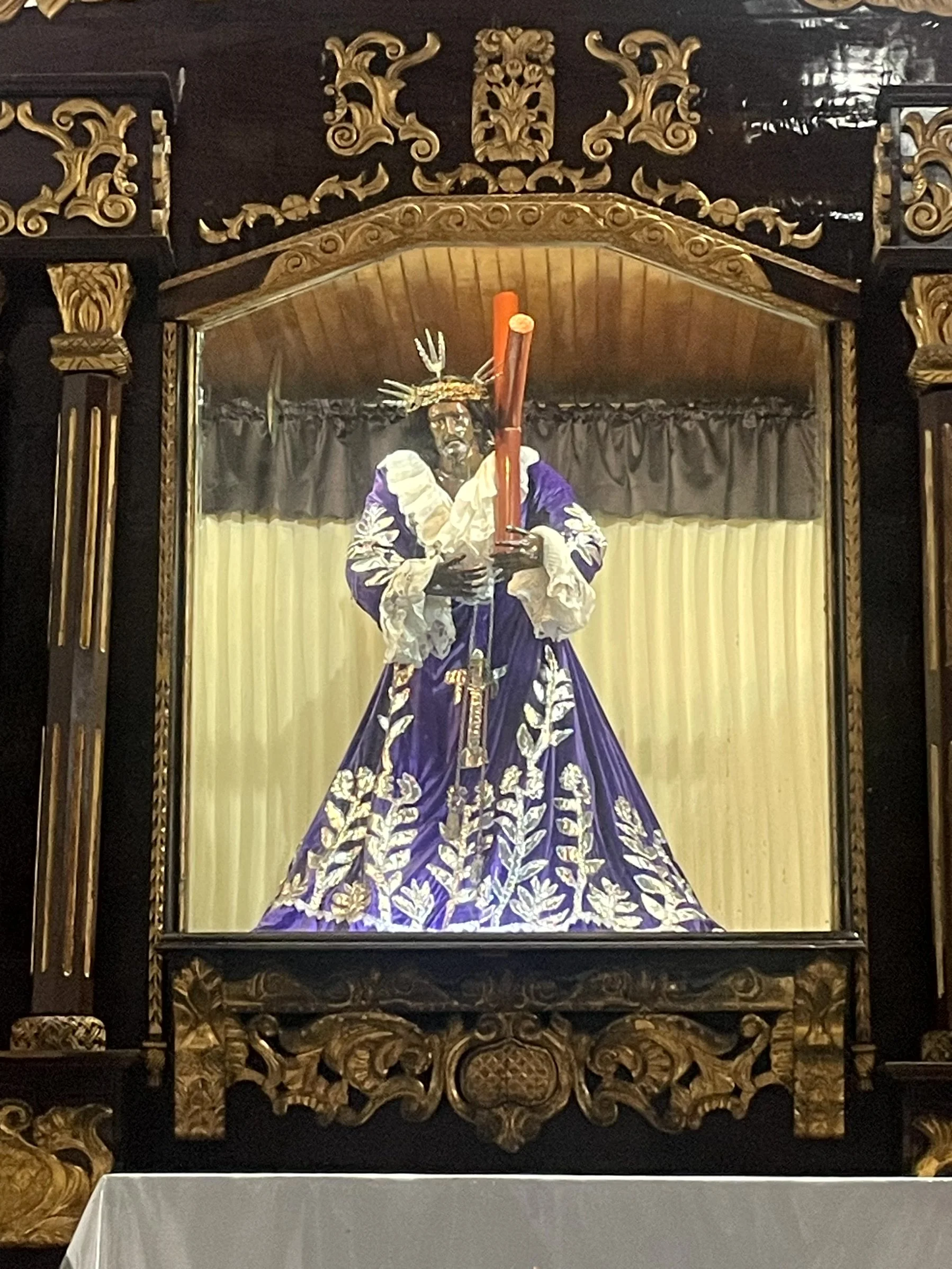
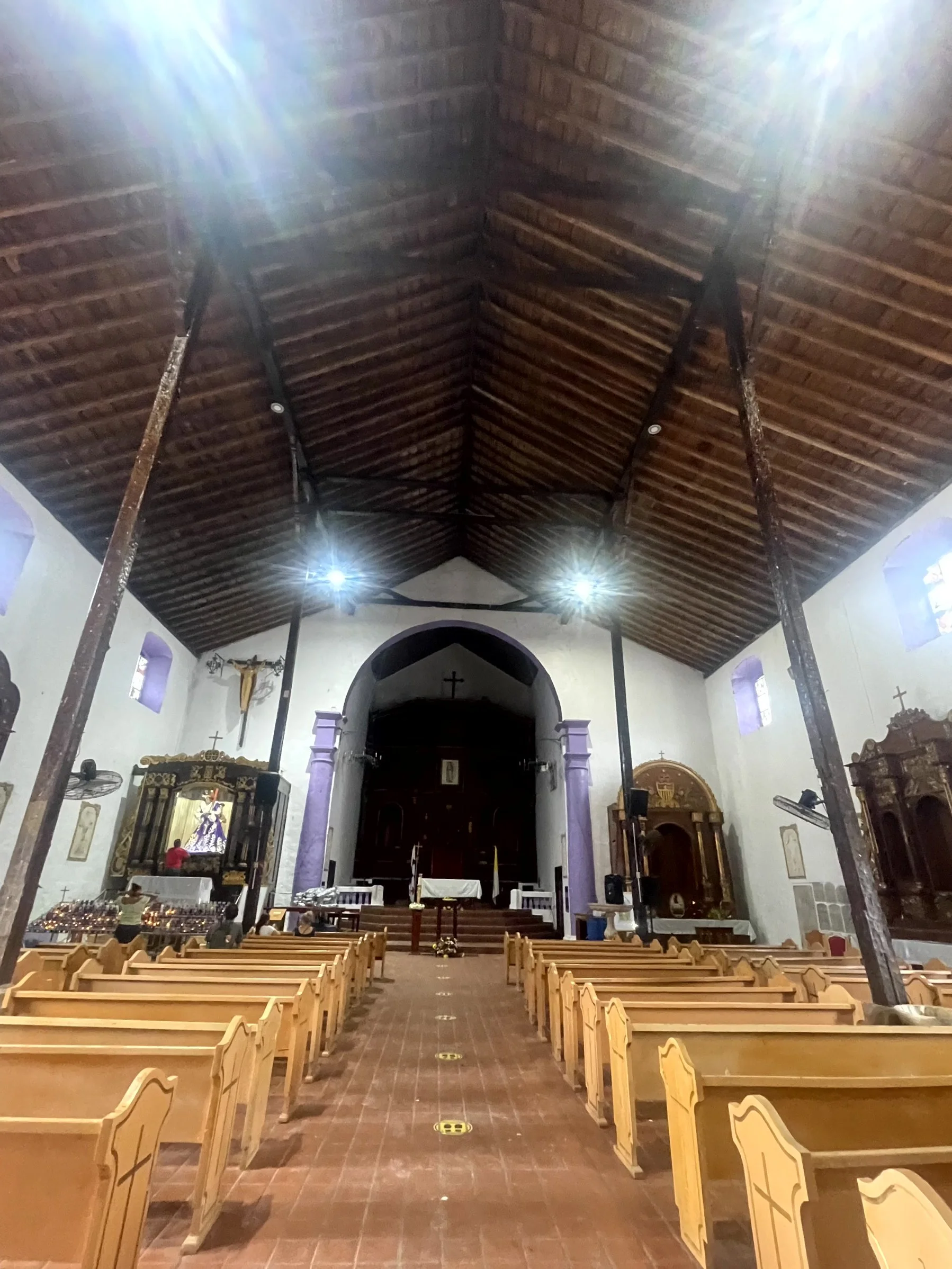
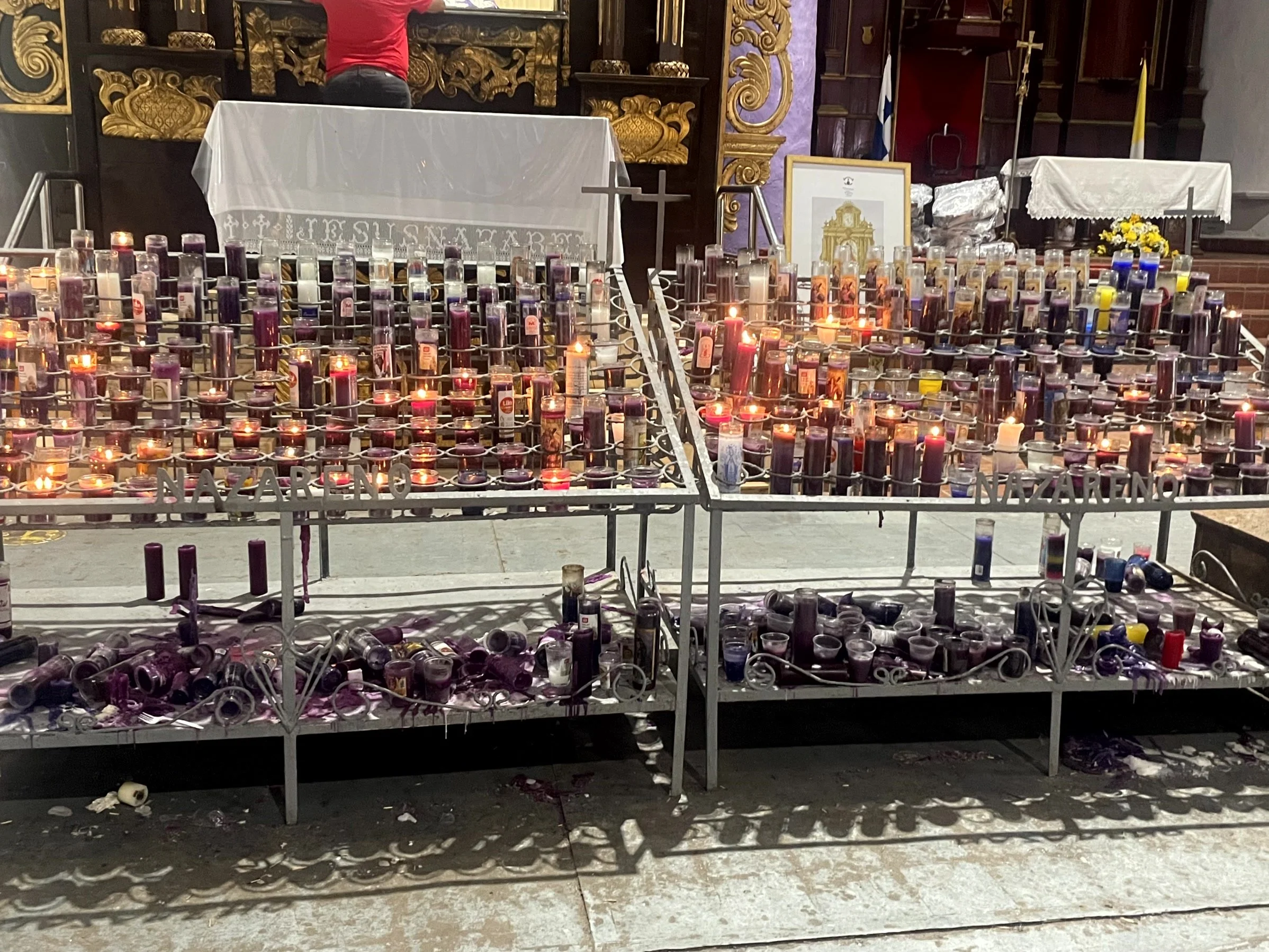
La Iglesia de San Felipe
Each year on October 21st, the Feast Day of Cristo Negro de Portobelo draws more than 160,000 people to town. According to the Fundación, pilgrims from every walk of life — salsa artists, doctors, teachers, ex-convicts — carry the cross in search of mercy and miracles. This cathedral was the last building the Spanish constructed before leaving Panama in 1814. There’s something fitting about that: a monument to faith and fortitude of the people outlasting the colonial settlers that built it.
A Town That Doesn’t Perform Its History
What I appreciated most about Portobelo is that none of this felt staged for visitors. The music coming from La Escuelita Ritmo wasn’t a performance timed for tourists — it was students learning, the way they would whether anyone was watching or not. The conversations at Casa Congo, the pace of the town itself, the way the cathedral sat mid-restoration rather than polished for photographs — all of it had the texture of a place still actively being lived in, not a heritage site frozen for display. That distinction matters to me. So much of heritage travel can slip into spectacle, where the lived experience of the community becomes a backdrop for someone else’s experience. Portobelo resisted that. It let me be a guest in its story rather than a spectator.
That’s part of why the Cimarrones’ history landed so hard for me. Their descendants are the reason Congo culture exists at all today — not as a preserved artifact, but as something embodied and still evolving, passed down to the next generation at a little school of rhythm on a quiet street. Freedom, in Portobelo, isn’t just a historical fact. It’s a living inheritance, carried forward in rhythm and voice.
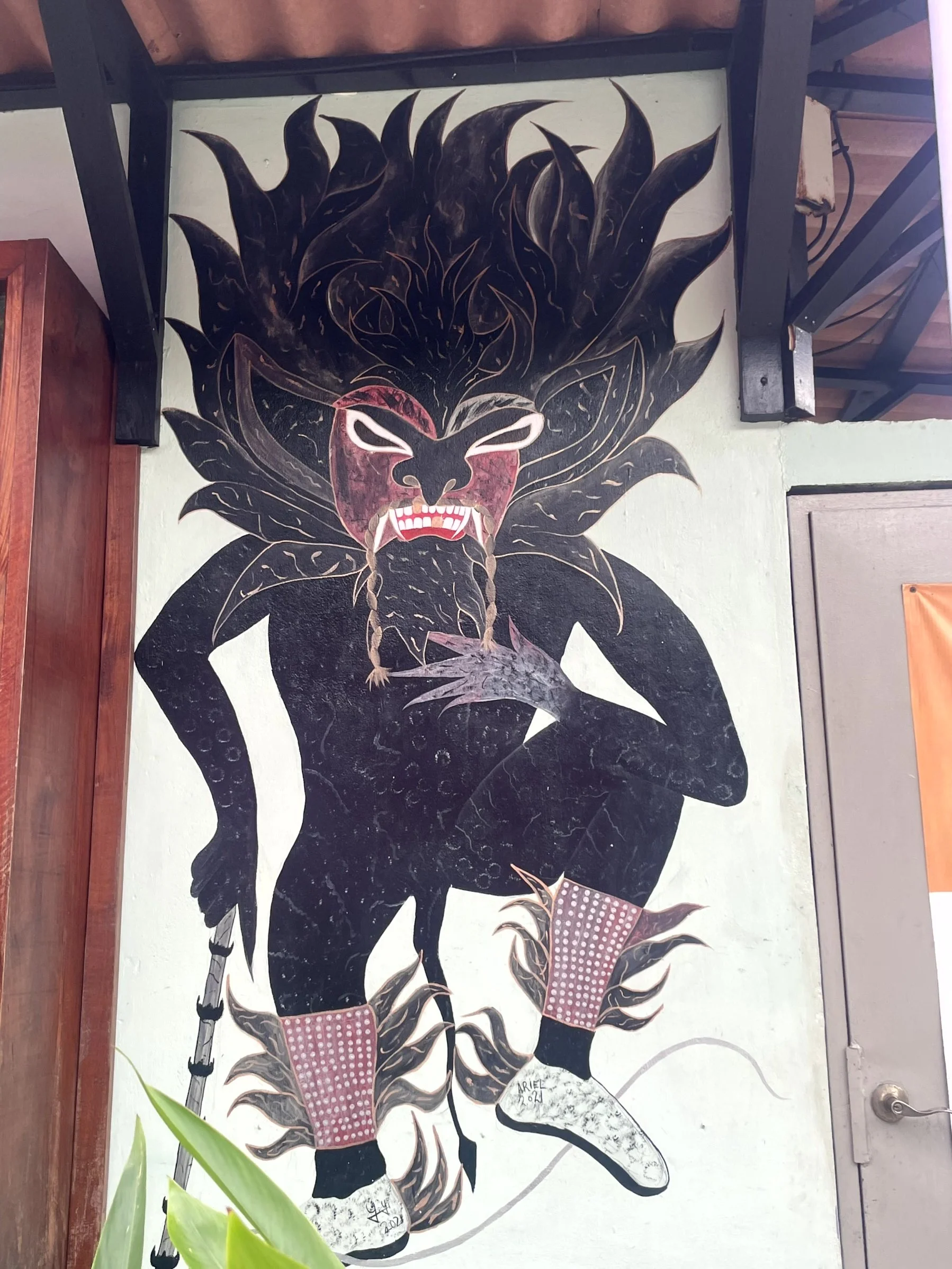
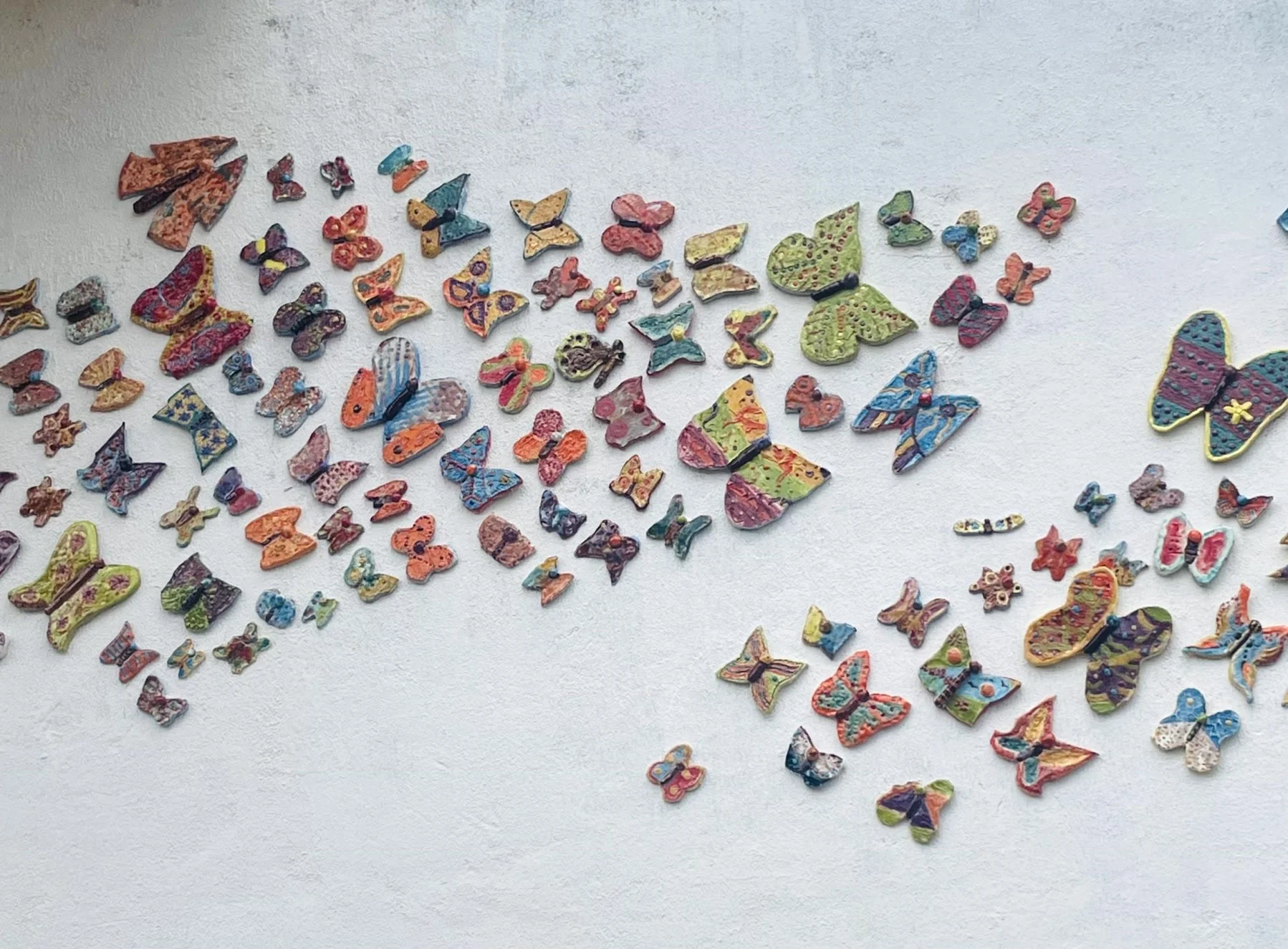
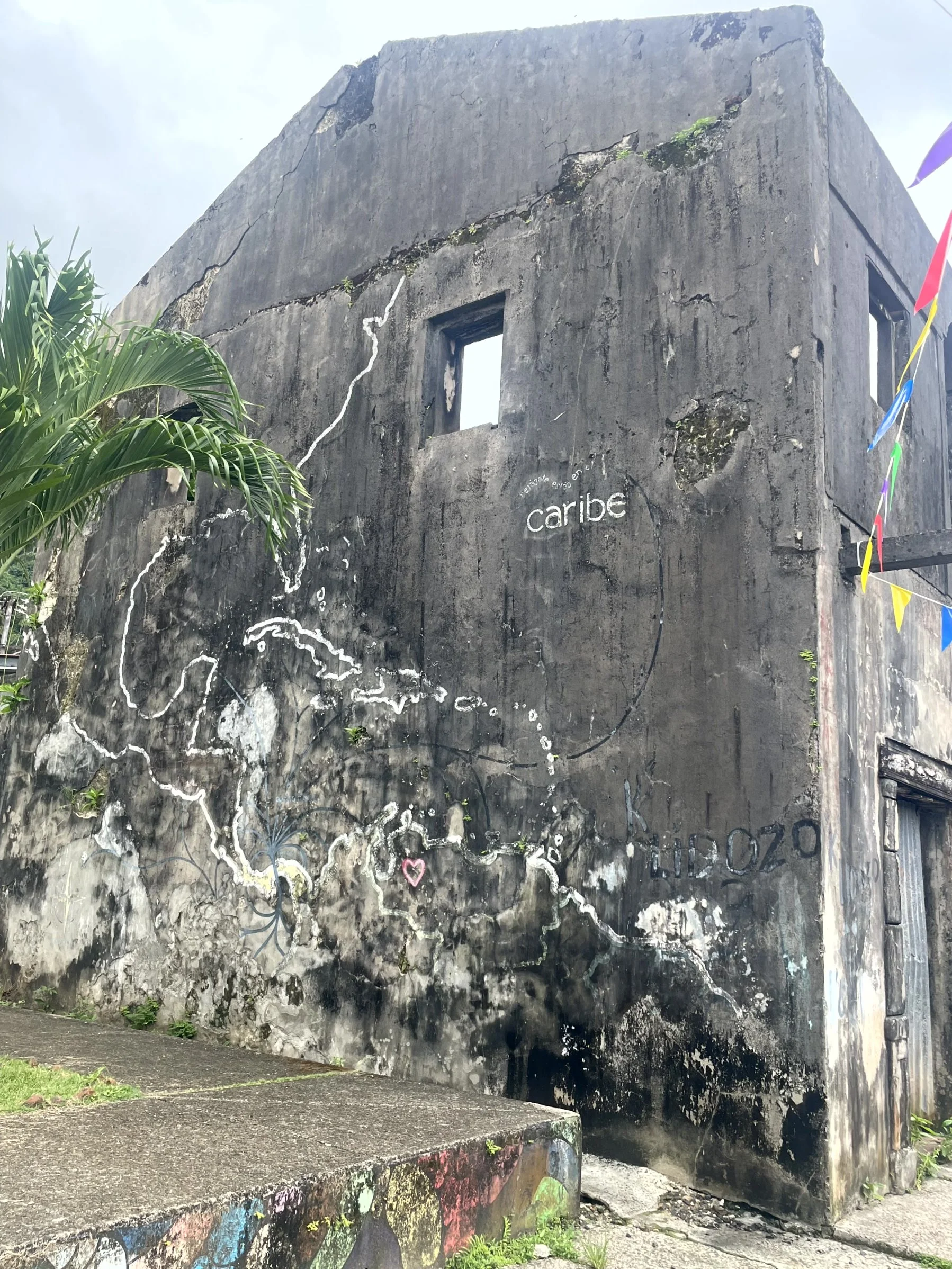
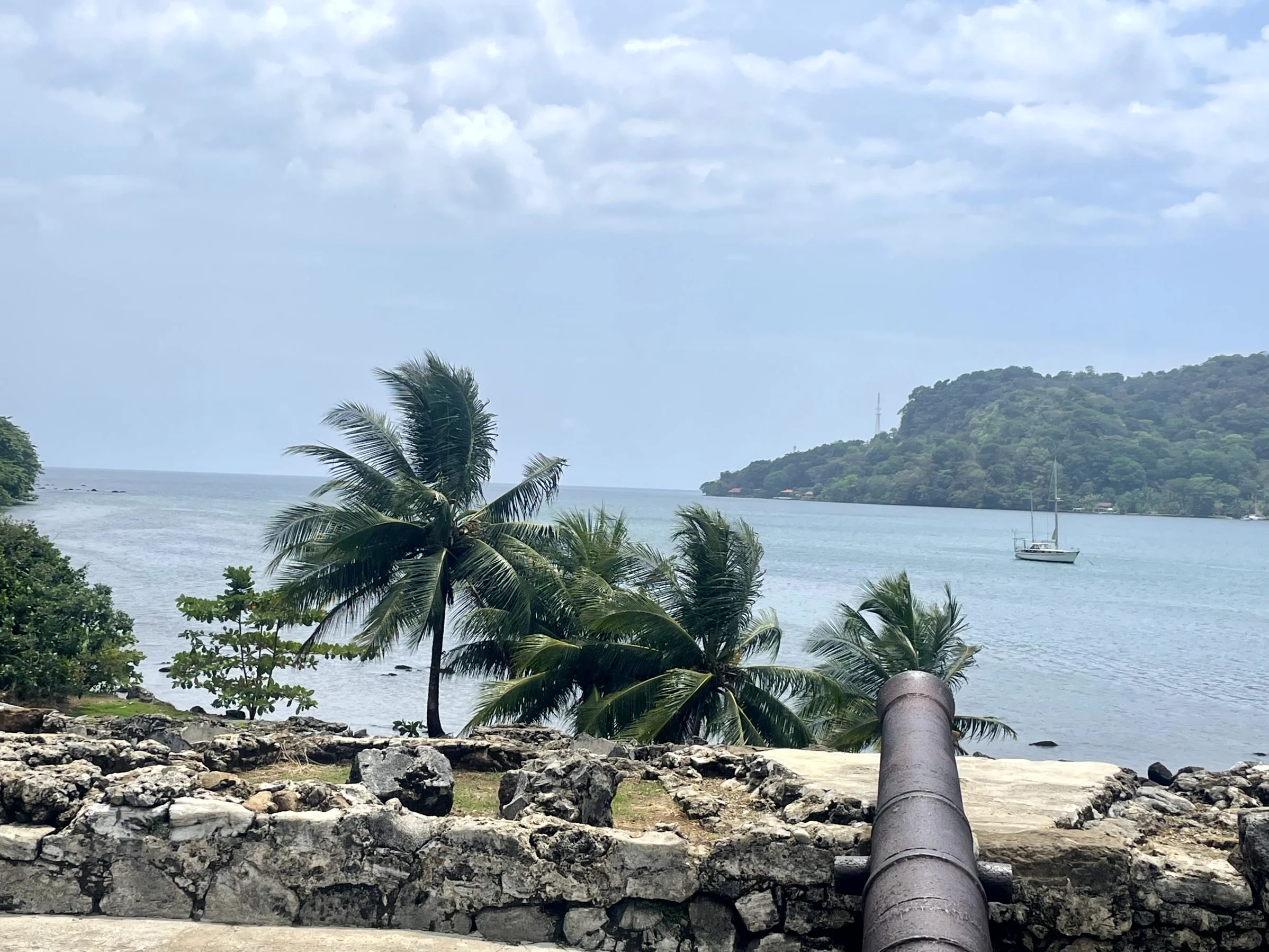
Sights are around Bahia de Portobelo, the town, and the Caribbean.
What I’m Carrying Home
I arrived in Portobelo as a visitor, but I left reflecting as a genealogist, a heritage travel curator, and a descendant. My ancestors were among those taken from places like Guinea-Bissau, the Congo Basin, and Senegambia, and brought across the Middle Passage. Being in Portobelo, I felt a connection to them.
Much of my work involves helping people and families connect with the places their ancestors lived, traveled through, left behind, or built new lives in. This visit felt personal for me. In Portobelo, that sense of connection is present in many ways: the people, the cathedral, the Casa De La Cultura Congo, the murals, and the music from La Escuelita Del Ritmo. Each one tells a part of the story. Survival became culture, and culture became a way of belonging that continues today.
If you’re planning your own visit, I’d recommend building in time for the cultural and natural heritage sites and the town’s everyday rhythm — the food, the music, the conversations. On my next trip, I hope to stay at El Otro Lado, a place to stay that also connects visitors more directly with Fundación Bahía de Portobelo’s work. For more information on Congo culture and Portobelo, Panama’s tourism board has some good starting points, as does this piece on getting to know Congo culture.
Portobelo is a place that asks you to slow down, be still, and listen — for the whispers held in its walls, the vibrations still moving through its music, the ancestral voices calling quietly beneath it all. If you listen closely enough, you can feel the reverb.